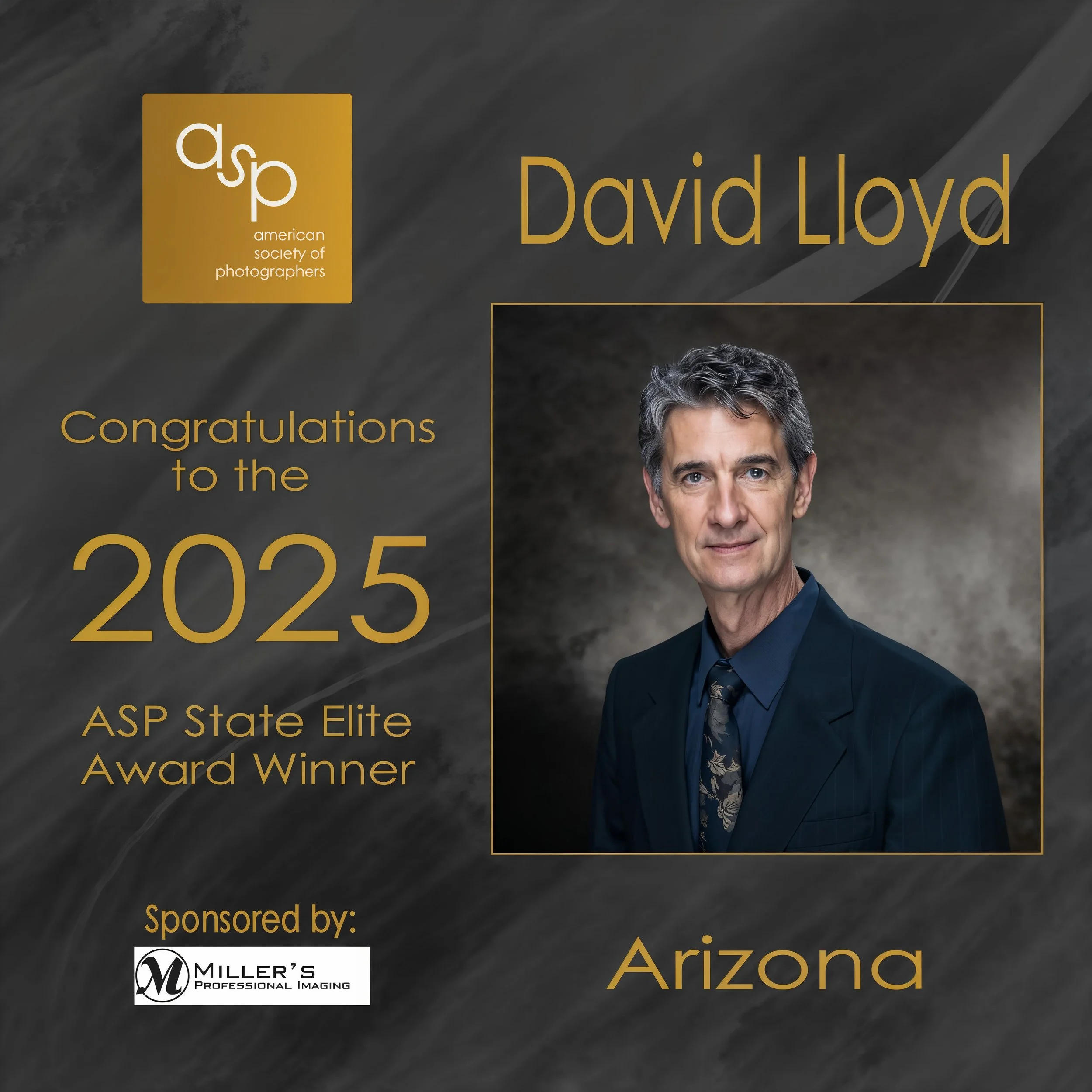
Today we’d like to introduce you to David Lloyd.
Hi David, thanks for joining us today. We’d love for you to start by introducing yourself.
David Lloyd Bio – Compiled for VoyagePhoenix Magazine
David Lloyd’s remarkable journey in photography and engineering spans over five decades, blending technical innovation with artistic mastery. Born in the 1940’s, Lloyd’s fascination with photography and electronics was sparked early, from building vacuum tube radios to developing black-and-white prints in his high school darkroom. Inspired early on, by his uncle, Julian Ely—a WWII photographer for Pacific Stars and Stripes who gifted him his first Kodak Brownie Hawkeye—Lloyd was captivated by the alchemy of capturing and processing images. “The process of taking pictures, developing film, and projecting images onto photographic paper fascinated me,” he recalls. “Photography and electronics were the ultimate do-it-yourself projects, propelling me into electronics engineering and professional photography.”
Lloyd’s professional career began in 1968 as a lighting gaffer and stage grip for NBC Studios in Burbank, CA, illuminating iconic sets for The Carol Burnett Show, Rowan & Martin’s Laugh-In, six o’clock News with Tom Brokaw and TV specials featuring Andy Williams and Perry Como. In 1975, Lloyd joined the Vivitar Corporation as a New Product Design Engineer, where he earned a U.S. Patent for electronic flash design and developed color darkroom products. At Vivitar, Lloyd clocked over 2,500 hours in their color darkroom, honing his craft as a film-based wedding, portrait, and commercial photographer. During that time, he also attended Art Center College of Design and created a photography curriculum school for Vivitar’s engineering staff, leading workshops at Hollywood Fashion Studios to bridge technical design with real-world photographic application. His innovative modular electronic flash system, built around the Vivitar 283 and 365 flash units, laid the groundwork for today’s portable off-camera flash systems, fulfilling his vision of an expandable lighting kit for wedding and portrait photographers.
Parallel to his photographic pursuits, Lloyd spent 35 years as an aerospace engineer with Lockheed-Martin, Teledyne, and Litton Guidance and Control, showcasing his ability to merge technical precision with creative vision. From 1997 to 2007, he operated a portrait studio on California’s Central Coast, joining the Professional Photographers of California (PPC) and Professional Photographers of America (PPA) while pioneering digital imagery in wedding and portrait photography. After relocating to Arizona in 2007, Lloyd’s contributions to the photographic community flourished. He achieved Certified Professional Photographer (CPP) status and earned his Photographic Craftsman and Master of Photography degrees, through the PPA, while authoring the acclaimed coffee table book “Creative OCF Lighting Techniques for Photographers”.
For five years, 2010 to 2015, he organized and taught 1940’s Hollywood Lighting Workshops at the CAF Airbase in Mesa, AZ, securing sponsorships from Sony, Tamron, Manfrotto, Profoto, and Tempe Camera. He also co-founded Get Image Ready magazine, spotlighting local Arizona photographers, and led over 60 lighting workshops through Meetups.
A passionate educator, Lloyd has taught digital photography at Allan Hancock College, Santa Barbara City College, and Scottsdale Community College, while offering over 500 hours of one-on-one tutoring in environmental portrait lighting and digital image processing. His Get Image Ready workshops at Loft 19 Photo Studio and Talking Stick Resort have empowered photographers with hands-on skills in lighting and personal branding. Lloyd’s teaching philosophy, rooted in his engineering background, emphasizes understanding and shaping light to replicate iconic photographic styles, making complex techniques accessible with a systematic approach.
Today, Lloyd continues to innovate with his unique Lighting techniques and a rich curriculum of Photographic Lighting Workshops, including his signature Hollywood 1940’s Lighting Workshops and personalized tutoring in Adobe Photoshop, Lightroom, and e-book publishing. As a photographic judge, he brings over 50 years of expertise, offering nuanced critiques grounded in craftsmanship, storytelling, and compositional harmony. His entrepreneurial vision, technical achievements, and dedication to mentoring make David Lloyd a true luminary in the visual arts, uniquely positioned to inspire and educate the next generation of photographers.
We all face challenges, but looking back would you describe it as a relatively smooth road?
Success is not paved along a yellow brick road. My journey in photography and engineering has been a blend of triumphs and trials, each shaping my path. Early on, balancing a demanding aerospace engineering career with my passion for photography was a significant challenge—long hours at Lockheed, Teledyne, and Litton often competed with time in the darkroom or behind the camera. Transitioning from film to digital photography in the late 1990s required a steep learning curve, mastering new technologies while maintaining artistic integrity. Financially, establishing a portrait studio in California from 1997 to 2007 meant navigating the uncertainties of self-employment, from securing clients to managing overhead costs.
Relocating to Arizona in 2007 brought new hurdles—building a reputation in a new market and competing with established photographers demanded relentless networking and innovation. Organizing workshops, like the 40’s Hollywood Lighting series, involved logistical complexities, from securing sponsorships to coordinating venues and attendees. There were moments of self-doubt, especially when co-founding Get Image Ready magazine, where the risk of publishing in a niche market felt daunting.
Yet, the importance of providing a useful service to others—whether through teaching, mentoring, or creating impactful imagery—kept me grounded. Persevering through these challenges taught me resilience and adaptability. Each obstacle was a lesson in refining my craft, strengthening my commitment to empowering others with knowledge, and finding joy in the process of creation and connection.
Thanks – so what else should our readers know about your work and what you’re currently focused on?
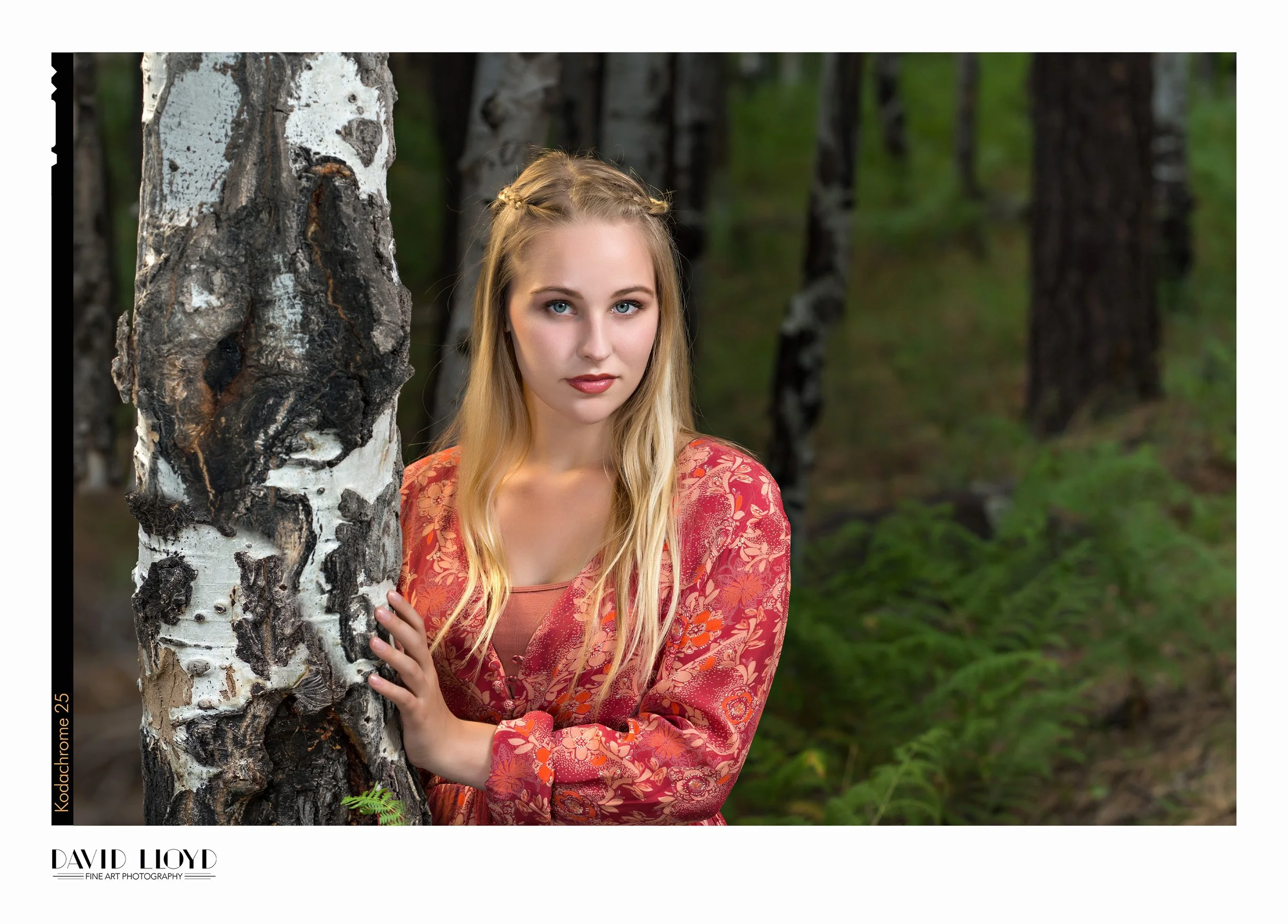
My work revolves around photography, education, and innovation, with a focus on mastering and teaching the art of photographic lighting. I specialize in off-camera flash (OCF) techniques, particularly replicating iconic styles like 1940s Hollywood portraiture, and I’m known for my ability to demystify complex lighting concepts for photographers of all levels. As a Certified Professional Photographer (CPP) through the Professional Photographers of America (PPA), I’ve built a reputation for creating visually compelling portraits and empowering others through hands-on workshops and one-on-one tutoring.
My career spans over 50 years, beginning as a lighting gaffer for NBC shows like The Carol Burnett Show and evolving into a New Product Design Engineer at Vivitar, where I earned a U.S. Patent for electronic flash design. This technical foundation informs my photographic work, allowing me to design tools like my Portable Lighting Kit, which simplifies on-location lighting. I’ve authored the acclaimed book Creative OCF Lighting Techniques for Photographers and co-founded Get Image Ready magazine to spotlight Arizona’s photographic talent.
I’m most proud of my educational impact—teaching digital photography at colleges like Scottsdale Community College, leading over 60 lighting workshops via Meetups, and providing over 500 hours of personalized tutoring. My 40’s Hollywood Lighting Workshops at the CAF Airbase in Mesa, sponsored by brands like Sony and Profoto, stand out as a pinnacle of blending creativity with mentorship.
What sets me apart is my unique blend of engineering precision and artistic vision. My background in aerospace engineering and product design gives me a practical, problem-solving approach to photography, while my passion for storytelling ensures every image resonates. Unlike others, I bridge technical innovation with accessible education, helping photographers not just learn but understand light’s transformative power. This dual expertise, coupled with a commitment to fostering community, makes my work distinctive in the industry.
What are your plans for the future?
My future is a blend of innovation, legacy, and continued passion for photography. I’m excited to design and manufacture the PEMF ARC Reactor, a wellness device leveraging pulsed electromagnetic field technology to promote health and vitality. This project merges my engineering expertise with a commitment to improving lives, and I’m eager to bring it to market.
I’m also dedicated to publishing my uncle Julian Ely’s photo essay, “An Untold Story”, which captures his exclusive photographs of Japan’s Emperor during the post-WWII rebuilding era. As a former editor and chief photographer for Pacific Stars and Stripes, his work is a historical treasure, and I aim to honor his legacy by sharing this narrative with the world.
On a personal note, I’m scanning my early black-and-white negatives from the 1970s and 1980s, documenting my children’s formative years. I plan to publish these as a book, a heartfelt reflection on family and growth, preserving those moments for future generations.
In photography, I’m continuing to develop cutting-edge photographic lighting equipment, including enhancements to my Portable Lighting Kit, to empower photographers with versatile, user-friendly tools. I’m also thrilled to relaunch my 1940s-styled Hollywood Lighting Workshops, expanding their reach to inspire more photographers with timeless techniques. These workshops, alongside my ongoing tutoring and workshops like Get Image Ready, will remain a cornerstone of my mission to educate and connect the photographic community.
Looking forward, I’m energized by these projects—no major changes, just a deeper commitment to blending creativity, technology, and storytelling to leave a lasting impact.
Pricing:
Pricing in photography is both an art and a science, and I believe in empowering photographers and clients alike with transparent, value-driven approaches. Here’s relevant pricing information and guidance for your readers, rooted in my philosophy and experience: • Understand and Value Your Professional Worth: As a photographer, recognizing the expertise behind your craft—50 years in my case, from NBC lighting to a U.S. Patent for flash design—allows you to price confidently. For clients, this means investing in a professional who delivers exceptional results, not just images.
Managerial Accounting: A clear financial overview is crucial. I advise photographers to track expenses (equipment, studio, travel) and revenue streams to ensure sustainability. For clients, this translates to fair pricing that reflects the quality and effort behind every shoot. • Keep Accurate Records: Meticulous records of business development, client interactions, invoices, and taxes streamline operations. This discipline ensures I can focus on creating value, like tailored portrait sessions or workshops, while offering clients clear, professional communication.
Pricing for Profit: I price based on the value delivered, not just time spent. Understanding my audience—whether aspiring photographers in workshops or clients seeking timeless portraits—means offering solutions that meet their needs. I always aim to exceed expectations, delivering the “baker’s dozen” with extra care, like personalized edits or bonus prints. For example, my portrait sessions start at $500, reflecting premium lighting techniques and custom editing.
Keep Accurate Records: Meticulous records of business development, client interactions, invoices, and taxes streamline operations. This discipline ensures I can focus on creating value, like tailored portrait sessions or workshops, while offering clients clear, professional communication.
Price with Proposals, Three Tiers: I present clients with three-tiered proposals to suit varied budgets while emphasizing quality. For instance: • Basic ($500): One-hour session, one location, 10 edited images, perfect for simple headshots. • Standard ($1,200): Two-hour session, multiple setups, 25 edited images, ideal for family or engagement shoots with signature 1940s Hollywood lighting. • Premium ($2,500+): Half-day shoot, unlimited setups, 50+ edited images, plus a custom album, tailored for weddings or branding with extensive post-production. These tiers showcase my commitment to craftsmanship, using professional-grade equipment and decades of expertise to create impactful, story-driven imagery. By pricing for value and offering tiered options, I ensure clients receive exceptional quality while my business thrives. For photographers, my workshops (starting at $2,500 for group sessions, $175/hour for private tutoring) teach these principles alongside lighting techniques, fostering both creativity and profitability.
Website: https://www.davidlloydphoto.com/
Instagram: @davidlloydphoto
Twitter: @davidlloyd9095
Other: https://davidlloydphotography.passgallery.com/-davidlloydcppgallery/gallery